
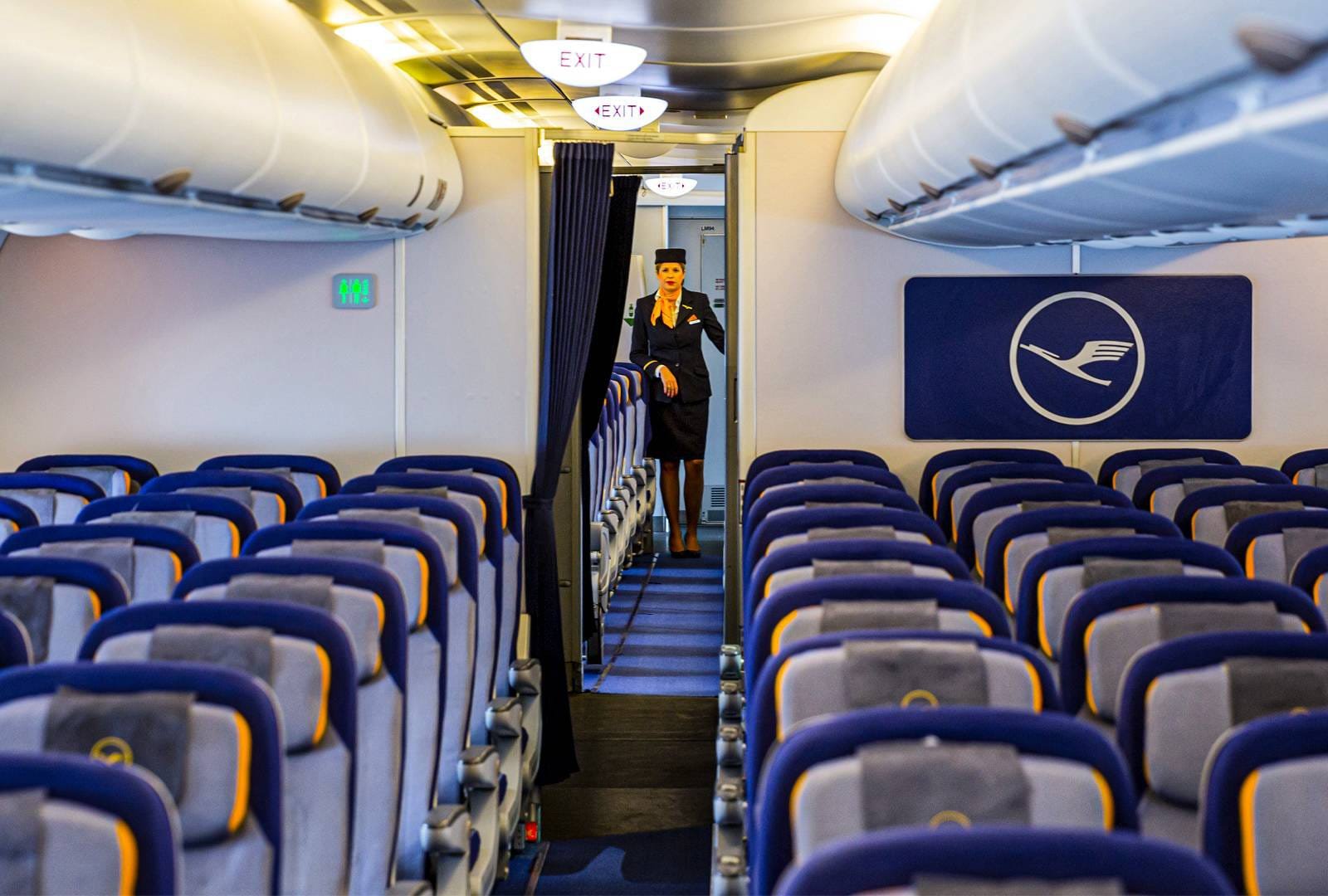
The Boeing 787 Dreamliner and Airbus A350 are among the most advanced and best-selling long-haul aircraft in the aviation industry today. Both jets are widely praised for their fuel efficiency, use of lightweight carbon-fiber materials, and ability to operate long-range routes while offering enhanced passenger comfort.
Despite their similarities, cabin crew often notice several operational and design differences between the two aircraft. The Airbus A350 generally offers a longer range and higher passenger capacity, making it suitable for ultra-long-haul routes. In contrast, the Boeing 787 has a lighter maximum take-off weight and is slightly smaller in size, which provides airlines with more flexibility on different route networks.
From a structural perspective, the Boeing 787 stands out with its highly flexible wings that visibly bend during flight, improving aerodynamic efficiency. It is constructed using barrel-section fuselage design, while the Airbus A350 uses a four-panel fuselage structure. The A350 is also instantly recognizable due to its distinctive “raccoon mask” cockpit windows.
For cabin crew, these differences can influence daily operations, from cabin layout and passenger capacity to service routines. While both aircraft deliver modern flying experiences, their unique features continue to shape how airlines deploy them across global networks.
