
In February 2006, seven-year-old Meaghan Ababa was admitted to a children’s hospital in Honolulu, Hawaii, with a high fever. Doctors discovered that her heart was enlarged and beating irregularly. After her heart stopped three times, she received 90 minutes of CPR and was placed on an ECMO machine to keep her heart and lungs functioning.
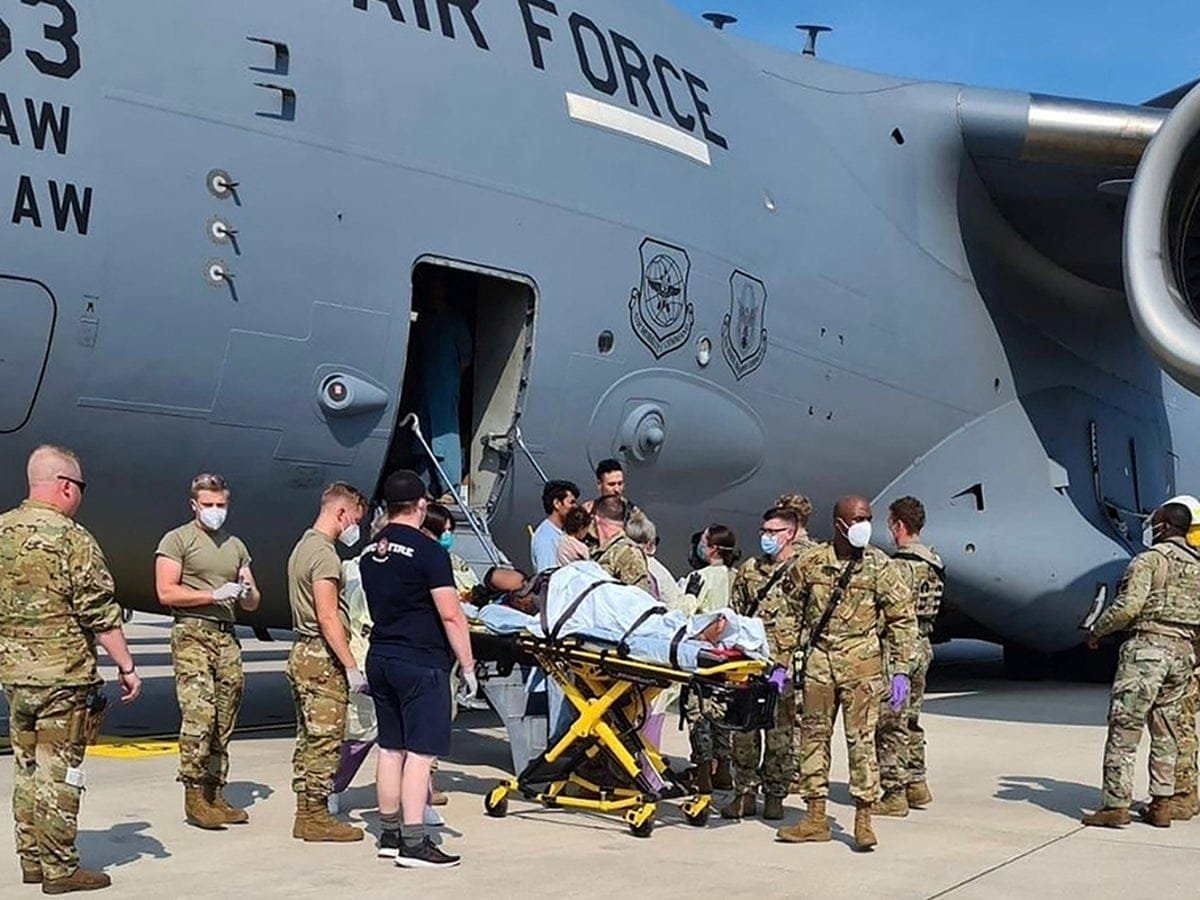
She needed specialised treatment at Children’s Hospital Los Angeles, around 2,500 miles away. Since she could not be taken off the ECMO machine, the US Air Force made a special exception to transport her.
A C-5 Galaxy flew to Hawaii carrying a 12-member medical team and 1,700 pounds of equipment. Meaghan was transferred to a mobile ECMO system and then transported aboard a C-17 Globemaster III with her parents. During the six-hour flight, the medical team continuously monitored her condition.
After reaching Los Angeles, she was admitted to the hospital in critical condition and placed on the national heart transplant list. However, the following day, her own heart began beating independently, and she no longer needed a transplant. Doctors later confirmed that she had recovered without brain damage. She returned home to Hawaii just 11 days after arriving in Los Angeles.
Nearly 20 years later, Meaghan is a registered nurse at the same Honolulu hospital where she was once treated. She now cares for sick children and was recently honoured by the hospital for her courage and resilience.
