
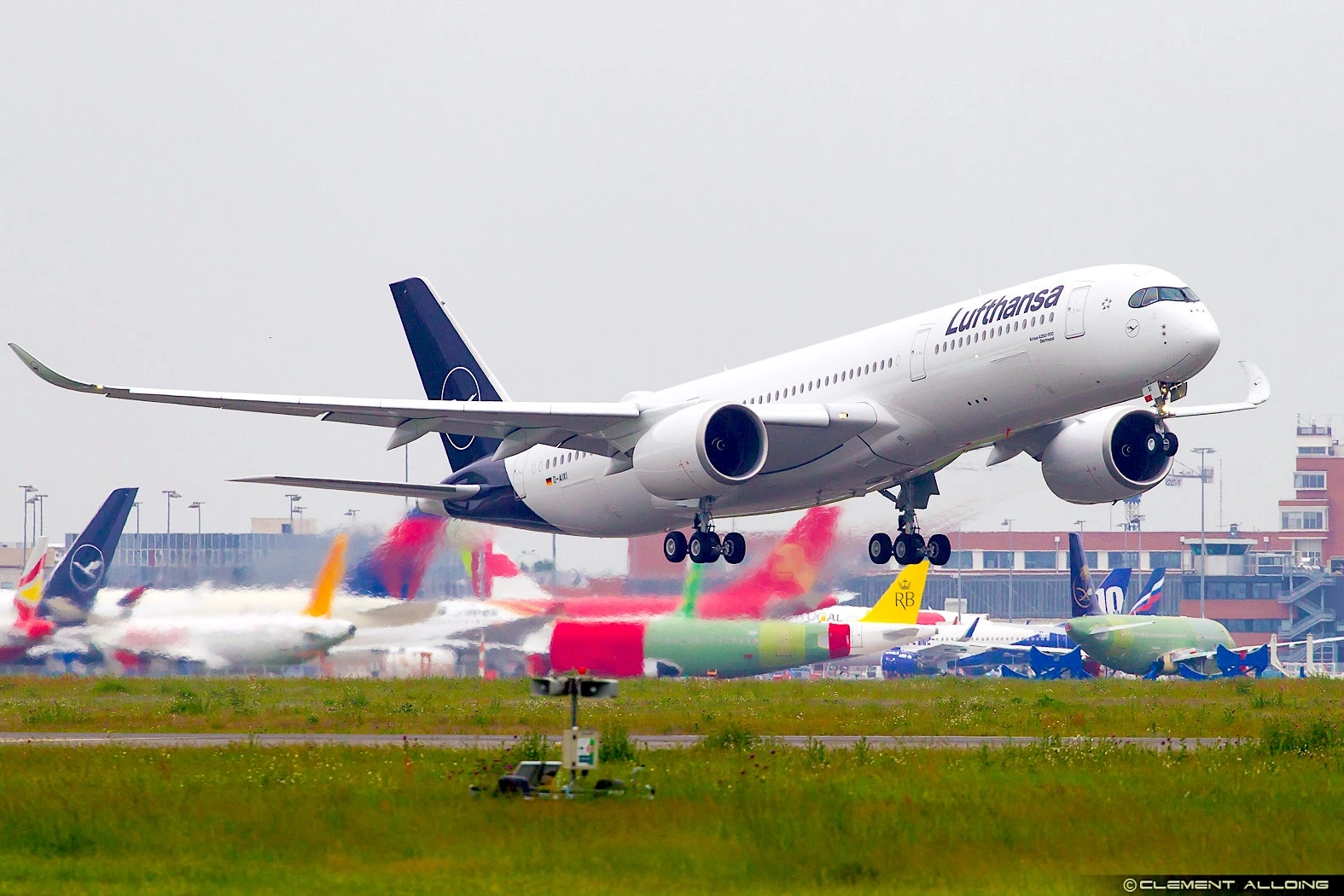
The global aviation industry in 2026 continues to evolve, with hybrid airlines gaining strong popularity by blending low-cost efficiency with premium services. Leading the rankings is Lufthansa, which has perfected a balance between affordable short-haul travel and high-quality long-haul experiences. Its strategy allows passengers to enjoy flexible pricing while still benefiting from premium comfort on international routes.
In second and third place, WestJet and Virgin Australia have successfully adopted hybrid models. Both airlines provide budget-friendly options on short-haul flights while expanding premium offerings on long-haul journeys, making them competitive players in both leisure and business travel markets.
Major US carriers such as Delta Air Lines, United Airlines, and American Airlines also feature prominently in the list. These airlines focus on cost-efficient domestic operations with buy-on-board services, while maintaining higher service standards on long-haul routes to cater to a diverse passenger base.
European airlines including SWISS, Finnair, British Airways, and TAP Air Portugal complete the top 10. Their hybrid strategies emphasize operational efficiency, simplified onboard services for short routes, and strong connectivity across regions, making them key contributors to the growing hybrid airline model worldwide.
