
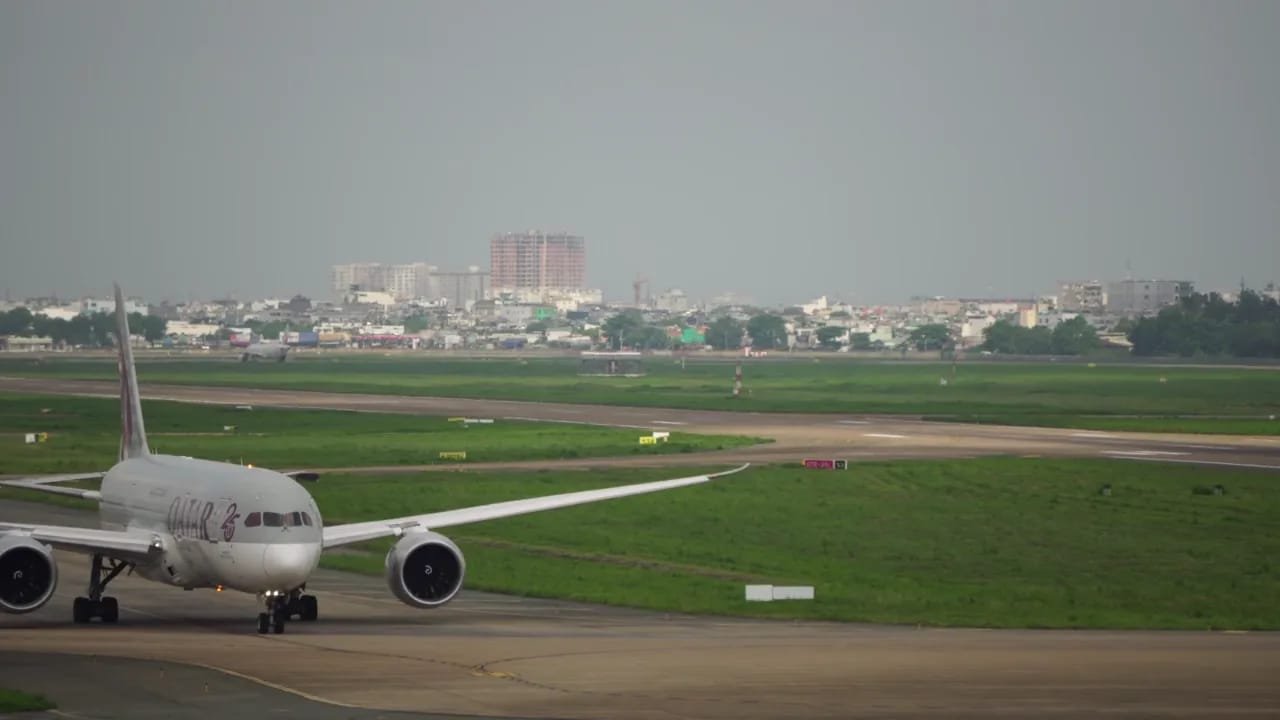
Boeing has projected that Middle Eastern airlines will require approximately 236,000 new aviation professionals by 2045, including 104,000 cabin crew members, 67,000 pilots and 65,000 maintenance technicians. The forecast was presented in Doha, Qatar, as part of the company’s 2026 Commercial Market Outlook.
According to Boeing, airlines across the region will need around 2,995 new aircraft over the next 20 years, taking the Middle East’s commercial fleet to more than 3,500 aircraft. Passenger traffic is also expected to grow at an average annual rate of 4.3%.
Of the projected aircraft demand, 1,370 will be widebody jets, 1,505 single-aisle aircraft and 120 freighters. Widebody aircraft will account for nearly half of new deliveries, reflecting the region’s strong international connecting traffic through major hubs operated by Emirates, Qatar Airways and Etihad Airways.
Boeing also expects the Middle East’s share of the global large widebody freighter fleet to increase from less than 10% to nearly 20% over the next two decades. The region currently handles approximately 15% of international air cargo.
The manufacturer further estimates that airlines will invest around $475 billion in commercial aviation services, including aircraft maintenance, crew training and digital systems.
Boeing clarified that the workforce figures represent projected industry requirements through 2045, not confirmed job vacancies or current airline recruitment commitments.
