
87
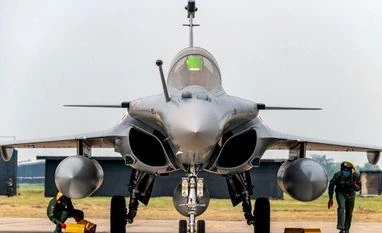
Dassault Aviation’s proposed Rafale industrial expansion in Nagpur has sparked fresh debate over India’s push for defence self-reliance. The move is being projected as a new industrial model that could strengthen India’s aerospace ecosystem. However, the key question remains — will this initiative deliver genuine technological independence or remain limited to assembly-level manufacturing?
Nagpur as an Emerging Aerospace Hub
- Dassault already operates Dassault Reliance Aerospace Limited (DRAL) in Nagpur.
- The facility currently manufactures components for Falcon business jets.
- Expanding Rafale-related production could position Nagpur as a major defence manufacturing center in India.
🔹 Rafale Production Prospects in India
- Reports suggest potential manufacturing of key Rafale components, and possibly final assembly in India.
- If scaled effectively, India could become part of the global Rafale supply chain.
- The move may boost opportunities for Indian MSMEs and local suppliers.
🔹 Technology Transfer: The Real Test
- True self-reliance depends on transfer of critical technologies such as avionics, radar systems, engines, and weapons integration.
- Limited assembly without deep technology sharing would not meet the broader goals of “Atmanirbhar Bharat.”
- Core intellectual property and high-end systems are likely to remain under French control unless broader agreements are reached.
🔹 Economic and Employment Impact
- The project could generate high-skilled aerospace jobs.
- Indian engineers and technicians may gain valuable exposure to advanced aerospace manufacturing standards.
- It may further strengthen India’s defence industrial base.
🔹 Strategic Implications
- The initiative reinforces the growing Indo-French strategic partnership.
- It could support future Rafale acquisitions by the Indian Air Force and Navy.
- In the long term, it may enhance India’s position in the global defence export market.
