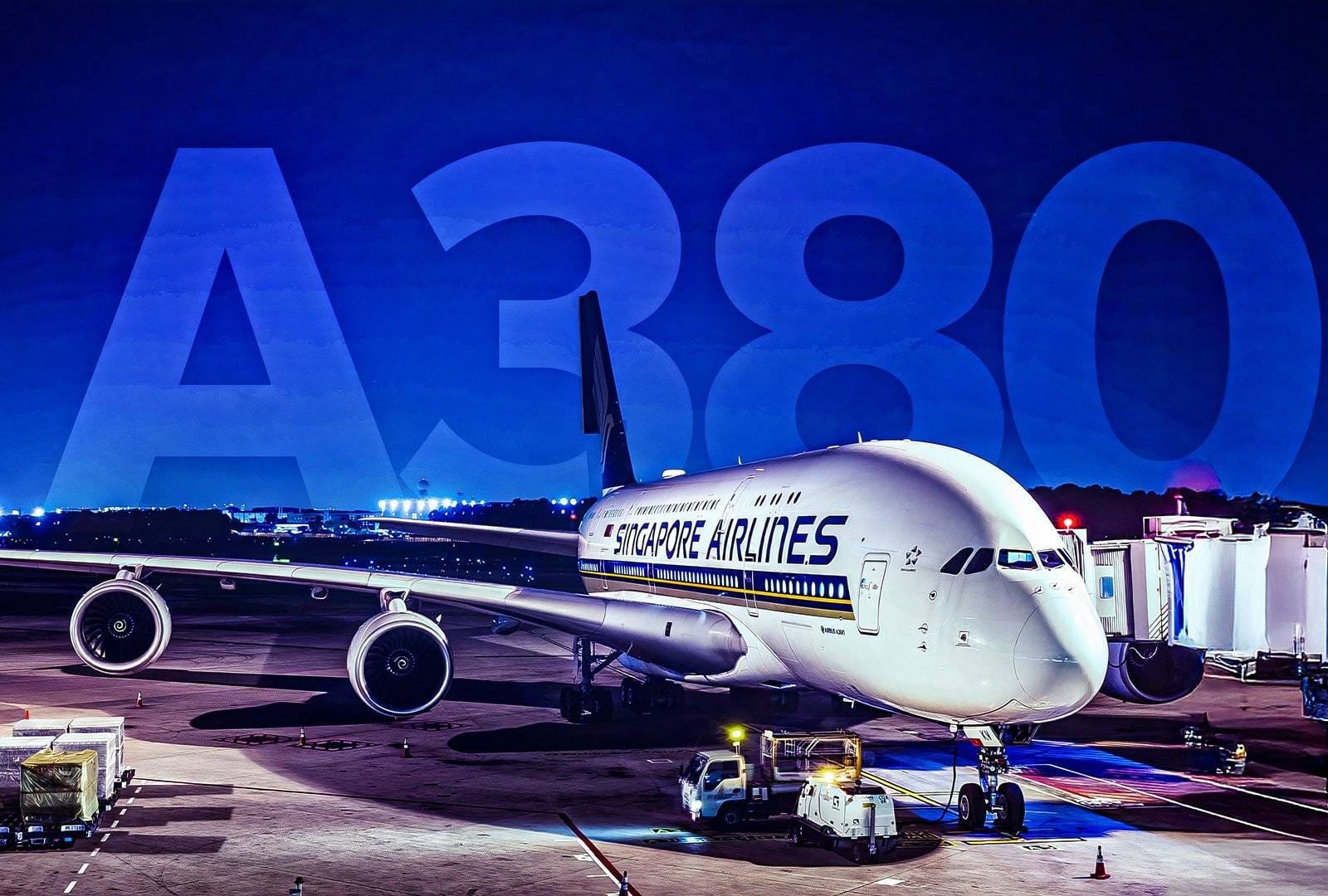
Singapore Airlines has significantly reduced the deployment of its iconic Airbus A380, ending operations on 11 routes as part of its evolving network and fleet strategy. The airline, which made history as the launch customer of the A380 in October 2007, has long been associated with the world’s largest passenger aircraft.
The first A380 delivered to the airline, registered as 9V-SKA, entered service with much fanfare but was retired after about a decade. Over time, Singapore Airlines has also phased out several other A380s, aligning its fleet with changing market demand and operational efficiency goals. Despite this reduction, the airline continues to maintain a strong presence with its remaining superjumbo fleet.
According to fleet data, the carrier currently operates 12 A380 aircraft, each configured with 471 seats across four classes. This includes six luxurious first-class suites in a 1-1 layout, 78 fully flat seats in business class arranged 1-2-1, 44 premium economy seats with a 2-4-2 configuration, and 343 economy seats in a 3-4-3 layout, offering a balanced mix of comfort and capacity.
In recent developments, the A380 has returned to Melbourne after a three-year hiatus, highlighting selective route revival. Additionally, the aircraft is scheduled to operate flights to Dubai starting late October, indicating that while some routes are being dropped, the airline continues to deploy the A380 on high-demand sectors.
This strategic adjustment reflects broader trends in global aviation, where airlines are optimizing fleets for efficiency while still leveraging flagship aircraft like the A380 on key routes. Singapore Airlines’ move underscores a balance between legacy and modernization in an ever-changing aviation landscape.
